
Are you ready to take control of your health and feel your best every day? Staying fit isn’t just about looking good—it’s about having the energy, confidence, and strength to enjoy life fully.
But with so many tips and tricks out there, it can be hard to know where to start. You’ll discover simple, practical ways to stay fit that fit into your busy lifestyle. Keep reading, and you’ll find easy steps that make a big difference, helping you build habits that last.
Your path to a healthier, happier you begins here.
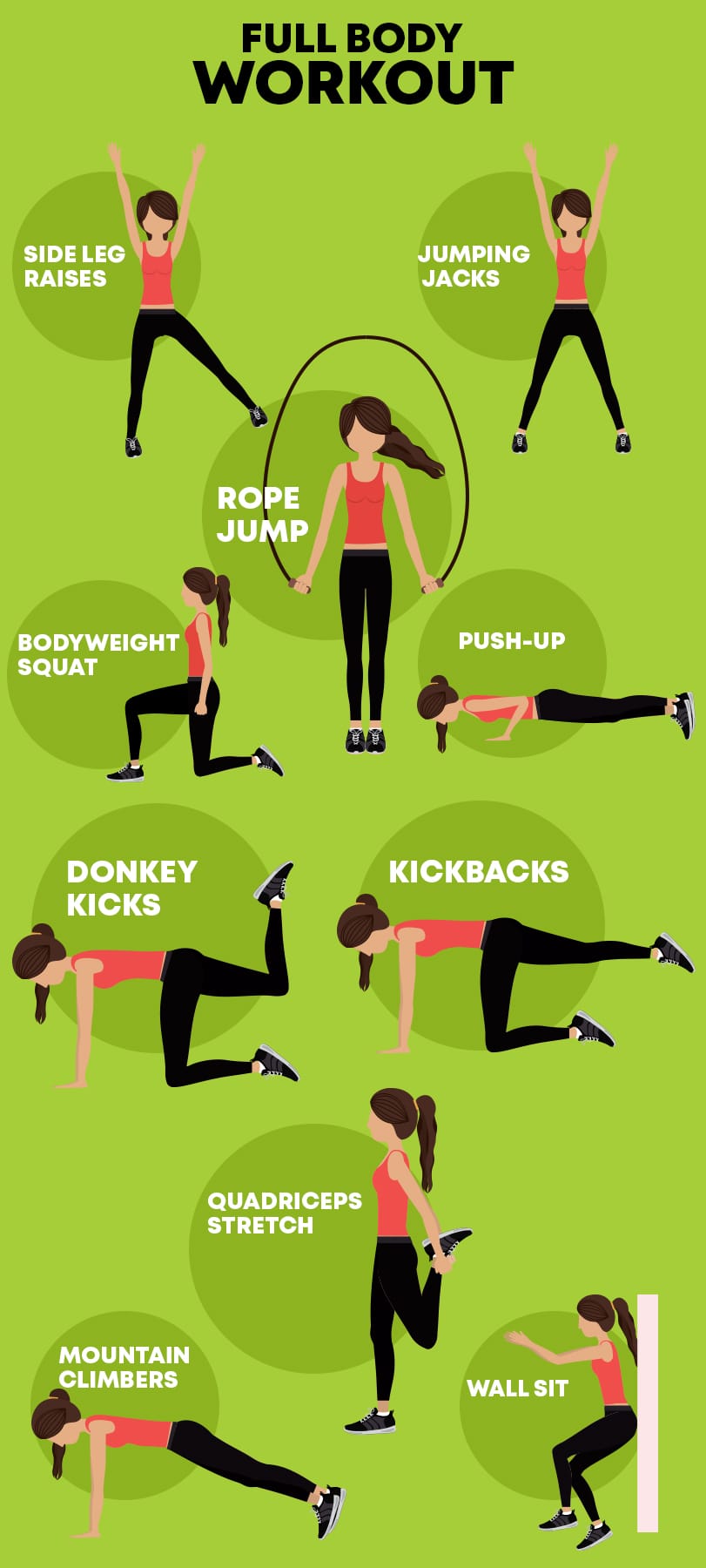
Credit: alcissports.com
Daily Exercise Habits
Building daily exercise habits helps keep the body strong and healthy. Small, regular workouts improve mood and energy. Making exercise part of your day creates lasting fitness. Choose activities you enjoy to stay motivated. Balance different types of exercise for full-body benefits. Find ways to move more throughout your daily routine.
Choosing Enjoyable Activities
Pick exercises that feel fun and easy. Dancing, walking, or cycling can be great choices. Enjoyment makes it easier to keep going. Try new activities to find what fits best. When exercise feels like play, it won’t feel like work.
Balancing Cardio And Strength
Cardio exercises improve heart health and burn calories. Examples include running, swimming, and brisk walking. Strength training builds muscle and supports bones. Use weights, resistance bands, or bodyweight moves. Combining both types creates a strong, healthy body.
Incorporating Movement Into Routine
Move more during everyday tasks. Take stairs instead of elevators. Walk short distances instead of driving. Stretch or do light exercises during breaks. Small movements add up and boost fitness over time.

Credit: www.youtube.com
Balanced Nutrition
Balanced nutrition is key to staying fit and healthy. It means eating the right types and amounts of food. This helps your body get the nutrients it needs to work well. Balanced nutrition supports energy, muscle growth, and overall wellness.
Choosing what to eat carefully can make a big difference. Not all foods affect your body the same way. Understanding the difference between whole foods and processed foods is important. Drinking enough water and planning meals smartly also help maintain balance.
Whole Foods Vs Processed Foods
Whole foods are natural and less changed from their original form. Examples include fruits, vegetables, nuts, and whole grains. They contain more vitamins, minerals, and fiber.
Processed foods often have added sugars, salt, and unhealthy fats. They may lose nutrients during processing. Eating too many processed foods can lead to weight gain and health problems.
Focus on whole foods for better nutrition and energy. They keep you fuller longer and support body functions.
Hydration And Its Importance
Water is vital for your body to work properly. It helps with digestion, temperature control, and joint movement. Drinking enough water keeps your skin healthy and aids in removing waste.
Dehydration can cause tiredness, headaches, and poor concentration. Aim to drink at least eight glasses of water daily. You can drink herbal teas or water-rich fruits too.
Meal Planning Tips
Plan meals ahead to avoid unhealthy choices. Include a mix of proteins, healthy fats, and carbohydrates. Use colorful vegetables to add vitamins and minerals.
Prepare simple meals with whole foods. Cook in batches and store portions for busy days. This saves time and keeps your diet balanced.
Keep snacks healthy with nuts, fruits, or yogurt. Avoid sugary or salty snacks that cause energy crashes.
Rest And Recovery
Rest and recovery are key parts of staying fit. They help your body heal and grow stronger after exercise. Without proper rest, your muscles stay tired and your energy drops. Recovery also reduces the risk of injury and keeps your mind fresh.
Taking time to recover improves your overall health. It gives your body a chance to repair itself. This helps you perform better in workouts and daily activities.
Quality Sleep Strategies
Good sleep is the best rest for your body. Aim for 7 to 9 hours each night. Stick to a regular sleep schedule, even on weekends. Make your bedroom cool, dark, and quiet. Avoid screens and bright lights before bedtime. Try relaxing activities like reading or deep breathing to fall asleep faster.
Managing Stress Effectively
Stress can slow down your recovery and hurt your health. Find ways to reduce stress daily. Try simple methods like walking, talking to friends, or listening to music. Keep a balanced schedule with time for work and rest. Learn to say no to extra tasks that cause pressure. Managing stress helps your body heal faster.
Benefits Of Relaxation Techniques
Relaxation helps calm your mind and body. It lowers blood pressure and reduces muscle tension. Techniques like meditation, yoga, or deep breathing work well. Spend 10 to 15 minutes daily practicing these methods. Relaxing regularly improves sleep quality and boosts energy. It also supports mental clarity and focus.
Tracking Progress
Tracking progress is key to staying fit. It helps you see how far you have come. Watching your improvements keeps you motivated. It also shows what needs more work. Without tracking, it is easy to lose focus.
Setting Realistic Goals
Start with small and clear goals. Goals should be easy to understand. Avoid setting goals that are too hard. Realistic goals keep you encouraged. They help you stay on track every day.
Using Fitness Apps And Tools
Fitness apps make tracking progress simple. They can count steps, calories, and workouts. Some apps remind you to exercise regularly. Tools like smartwatches help monitor heart rate. These devices give useful data to improve fitness.
Celebrating Small Wins
Every small success matters. Celebrate when you hit a goal, even a small one. This builds confidence and joy. Small wins lead to bigger achievements. Reward yourself with something healthy or relaxing.
Staying Motivated
Staying motivated is key to keeping fit. It helps you push through tough days and keep going. Motivation fuels your energy and keeps your goals in sight. Without it, exercise and healthy habits can feel like chores. Find ways to stay inspired and focused on your fitness journey.
Finding Support Networks
Support networks make fitness easier. Friends, family, or online groups can cheer you on. They share tips and celebrate your progress. Joining a class or workout group creates a sense of community. Feeling part of a team builds motivation to continue.
Overcoming Common Challenges
Challenges like fatigue, boredom, or time limits can stop you. Break workouts into small sessions to fit your day. Try new exercises to keep things interesting. Set realistic goals to avoid frustration. Remember, setbacks are normal. Keep going despite obstacles.
Keeping Long-term Focus
Long-term focus means thinking beyond quick results. Visualize how fitness improves life over time. Track progress with simple tools like journals or apps. Celebrate small wins to stay encouraged. Make fitness a habit, not a task. Consistency builds lasting health and strength.

Credit: home.cern
Frequently Asked Questions
What Are Simple Daily Exercises To Stay Fit?
Simple exercises like walking, jogging, and stretching improve fitness. They boost heart health, increase flexibility, and enhance mood. Consistency is key for lasting benefits.
How Important Is Diet In Staying Fit?
A balanced diet fuels your body and supports workouts. Eat plenty of fruits, vegetables, lean proteins, and whole grains. Avoid processed foods and sugary drinks for better health.
How Much Exercise Is Needed Weekly To Stay Fit?
Aim for at least 150 minutes of moderate exercise weekly. This includes activities like brisk walking or cycling. Regular exercise maintains weight, strengthens muscles, and improves heart health.
Can Staying Hydrated Affect Fitness Levels?
Yes, hydration supports muscle function and energy levels. Drink water before, during, and after exercise to stay hydrated. Proper hydration also aids recovery and prevents fatigue.
Conclusion
Staying fit takes daily effort and simple habits. Choose activities you enjoy and keep moving. Eat balanced meals with fruits, vegetables, and protein. Drink plenty of water to stay energized. Rest well to help your body recover. Small steps add up to big results over time.
Stay patient and consistent with your routine. Your health will improve, and you will feel better. Keep these tips in mind to live a healthy life. Fitness is a journey, not a quick fix. Take care of yourself every day.