
Do you want to take pictures that truly stand out? Imagine capturing moments so clear and vibrant that everyone stops to look.
You don’t need expensive gear or fancy skills to do this. With a few simple tips, you can instantly improve your photos and impress your friends and family. Keep reading, and discover how easy it is to take good pictures that tell your story perfectly.
Your best shots are just a few steps away!
Essential Camera Settings
Understanding essential camera settings helps you capture better photos. These settings control how your camera records light and detail. Adjusting them correctly improves your images greatly. Learn how ISO, aperture, and shutter speed work. Each setting plays a vital role in photography.
Choosing The Right Iso
ISO controls your camera’s sensitivity to light. A low ISO like 100 works best in bright light. It produces clear, sharp images. High ISO values are useful in darker places. But high ISO can create grainy photos. Keep ISO as low as possible for clean shots.
Aperture And Depth Of Field
Aperture controls the size of the lens opening. A wide aperture (small f-number) lets in more light. It also blurs the background, focusing on your subject. A small aperture (large f-number) keeps more of the image sharp. Use aperture to control how much of your photo is in focus.
Shutter Speed Tips
Shutter speed controls how long the camera sensor is exposed to light. Fast shutter speeds freeze motion clearly. Slow speeds create motion blur, useful for creative effects. Use fast speeds for sports and action photos. Use slower speeds for low-light or artistic shots. Keep your camera steady at slow speeds to avoid blur.

Credit: www.youtube.com
Mastering Composition
Composition shapes the way viewers see your photos. It helps to guide the eye and tell a story. Good composition makes images clear and interesting. Learning a few simple rules improves your photos instantly. These rules help you arrange elements in the frame well.
Rule Of Thirds
The rule of thirds divides the image into nine equal parts. Imagine two lines across and two lines down. Place key elements along these lines or their intersections. This creates balance and draws attention naturally. Avoid putting the subject in the center every time. Off-center subjects often look more appealing and dynamic.
Leading Lines And Framing
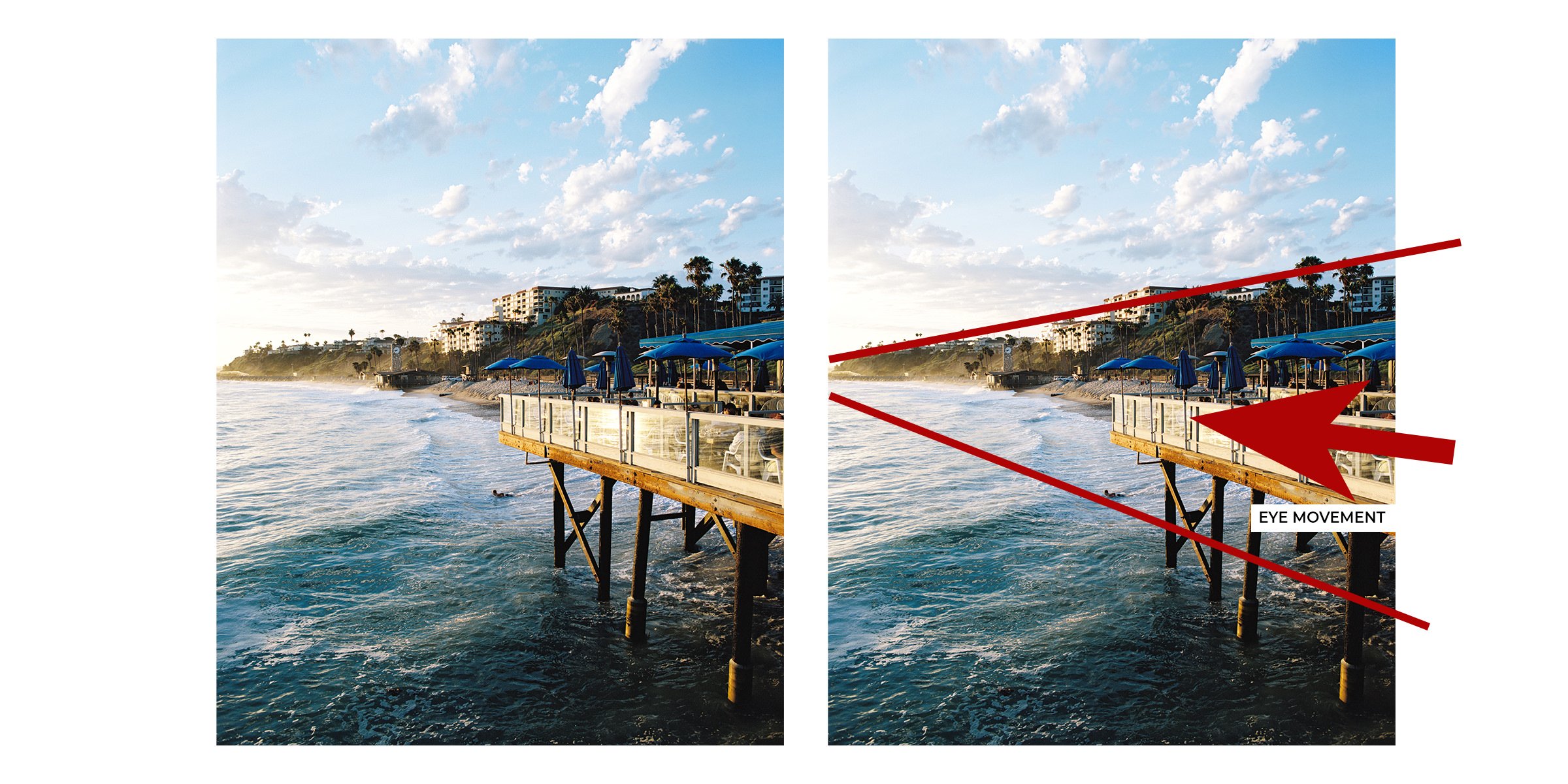
Leading lines direct the viewer’s eyes toward the main subject. Roads, fences, or rivers work well as lines. Use these lines to guide attention inside the photo. Framing means using objects around the subject to create a border. Trees, windows, or arches make good frames. Frames focus attention and add depth to the image.
Balancing Elements
Balance keeps the photo from feeling crowded or empty. Place a smaller object opposite a bigger one to balance the frame. Balance can be symmetrical or asymmetrical. A balanced photo feels stable and pleasant to look at. Avoid too many objects on one side of the image.
Lighting Techniques
Lighting plays a big role in taking great pictures. It changes how colors and shapes look. Good light can make your photos clear and lively. Bad light can make them dull or blurry. Learning simple lighting techniques helps capture better images every time.
Understanding different types of light and how to use them is key. Natural and artificial lights both have their place. Knowing when and how to use each can improve your photos a lot. Let’s explore some easy lighting tips to try today.
Natural Light Usage
Natural light comes from the sun. It is soft and bright during the day. Use window light for indoor photos. It gives a clean and natural look. Avoid harsh midday sun that creates strong shadows. Early morning or late afternoon light is gentler. Move your subject to face the light for clear details.
Golden Hour Benefits
The golden hour is just after sunrise or before sunset. The light is warm and soft. It adds a nice glow to your photos. Shadows are long but not dark. Colors look richer and skin tones appear natural. This time is perfect for outdoor portraits and landscapes. Plan your shoot around golden hour for better results.
Using Artificial Light
Artificial light includes lamps, flashes, and LED panels. Use it when natural light is low or unavailable. Place the light source at an angle to avoid flat images. Softboxes or diffusers help make the light gentle. Avoid direct bright light that causes harsh shadows. Adjust the distance and brightness for the best effect. Artificial light gives you control over your photo’s look.
Focusing And Sharpness
Focusing and sharpness are key to taking clear and beautiful pictures. Sharp images make your photos look professional and grab attention. Without proper focus, your photos may appear blurry or soft. Understanding how to control focus and reduce blur can greatly improve your photography skills.
Manual Vs Auto Focus
Auto focus is quick and easy. The camera decides where to focus. It works well for most situations. Manual focus lets you control focus by hand. This is helpful in low light or tricky scenes. Use manual focus when you want precision. Try both to see which suits your style.
Avoiding Camera Shake
Camera shake causes blurry pictures. It happens when your hands move during the shot. Hold your camera steady with both hands. Keep your elbows close to your body. Breathe out slowly before pressing the button. Use a faster shutter speed to reduce shake.
Using Tripods Effectively
Tripods keep your camera steady for sharp shots. They are great for low light or long exposure photos. Use a tripod on uneven ground by adjusting its legs. Avoid touching the camera during the shot. Use a timer or remote to stop movement. Tripods help capture crisp, clear images every time.
Capturing Different Subjects
Capturing different subjects requires varied techniques and approaches. Each subject has unique features that need special attention. Adapting your camera settings and composition helps create better photos. Understanding these differences makes your pictures stand out.
Portrait Tips
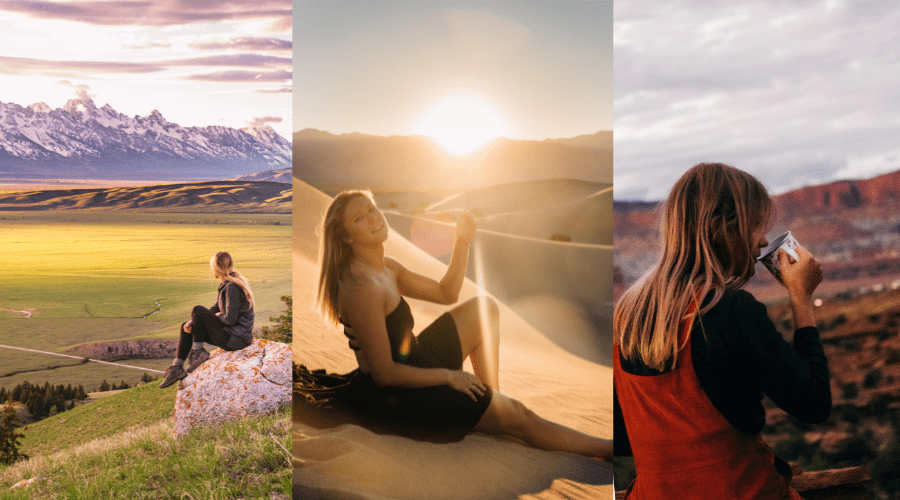
Focus on the eyes to create a strong connection. Use soft lighting to avoid harsh shadows on the face. Choose a simple background to keep attention on the subject. Try different angles to find the most flattering view. Use a wide aperture to blur the background and highlight the person.
Landscape Photography
Use a small aperture for sharp details across the scene. Include a clear foreground to add depth to the photo. Shoot during golden hours for warm, natural light. Look for interesting shapes and lines to guide the viewer’s eye. Keep the horizon straight for a balanced composition.
Action And Sports Shots
Use a fast shutter speed to freeze motion clearly. Focus on the athlete’s face or key action point. Anticipate the movement to capture the best moment. Use continuous shooting mode to get multiple frames quickly. Choose a wide aperture to keep the subject sharp and the background soft.
Credit: shaleewanders.com
Post-processing Tips
Post-processing is a key step to improve your photos. It helps fix small errors and make your pictures look better. Editing does not need to be hard or take long. Basic changes can bring big improvements.
Basic Editing Tools
Start with simple tools like brightness and sharpness. Brightness lightens or darkens the photo. Sharpness makes details clearer. Use these tools to correct exposure and focus. Avoid too much change to keep the photo natural.
Enhancing Colors And Contrast
Colors can make your photo stand out. Increase color intensity to make it more vivid. Contrast adds difference between light and dark areas. This makes the image pop and look more dynamic. Keep colors true to the scene to avoid unnatural looks.
Cropping For Impact
Cropping removes unwanted parts of the photo. It helps to focus on the main subject. Change the photo shape to improve composition. Use the rule of thirds for better balance. Cropping can turn a good photo into a great one.
Common Mistakes To Avoid
Taking good pictures requires more than just pointing the camera and clicking. Many beginners make common mistakes that affect photo quality. Avoiding these errors helps create clear and attractive images.
Overexposure And Underexposure
Overexposure makes photos too bright, losing detail in light areas. Underexposure makes pictures too dark, hiding details in shadows. Both reduce image quality. Adjust your camera settings to balance light. Use exposure compensation or manual mode for better control.
Ignoring Backgrounds
Backgrounds can distract from the main subject. Clutter or bright colors pull attention away. Choose simple, clean backgrounds to keep focus. Move around to find the best angle. Sometimes a small change improves the whole picture.
Relying Too Much On Filters
Filters can enhance photos but overusing them hides real beauty. Heavy filters make images look fake or blurry. Use filters lightly to improve colors or mood. Focus first on good lighting and composition before adding effects.
Credit: www.tonywodarck.com
Frequently Asked Questions
How Do I Improve Lighting For Better Photos?
Use natural light when possible, especially during golden hours. Avoid harsh midday sun. Use reflectors or diffusers to soften shadows and balance exposure for clear, vibrant images.
What Settings Should I Use On My Camera?
Set the ISO low to reduce noise. Use a wider aperture for depth of field. Adjust shutter speed to avoid blur. Experiment with manual mode to control exposure.
How Can I Compose Photos Like A Pro?
Apply the rule of thirds for balanced framing. Use leading lines and symmetry to guide the viewer’s eye. Keep the background simple to focus on the subject.
What Equipment Is Essential For Taking Good Pictures?
A good quality camera or smartphone with manual controls helps. Use a tripod for stability. Invest in a prime lens for sharp images and better low-light performance.
Conclusion
Good pictures tell a story without many words. Practice often to improve your skills. Pay attention to light, focus, and angles. Use your camera’s features to help you. Don’t rush; take time to frame each shot. Remember, patience makes a big difference.
Enjoy capturing moments that matter to you. Keep learning and experimenting with new ideas. Your photos will get better with each try. Photography is fun and rewarding. Keep shooting and sharing your vision.